Why Every Homeowner Needs to Know About Frozen Pipe Repair
Frozen pipe repair is a critical skill that can save you thousands in water damage. When temperatures drop below 20°F, water in your pipes can freeze, expand, and create pressure over 3,000 psi—enough to split even metal pipes. Here’s what you need to know:
Quick Action Steps for Frozen Pipes:
- Shut off the main water valve if you suspect a burst
- Open the affected faucet to relieve pressure
- Apply gentle heat using a hair dryer, heating pad, or warm towels
- Work from the faucet toward the frozen section to allow pressure to escape
- Call a professional if you can’t locate the freeze or the pipe has burst
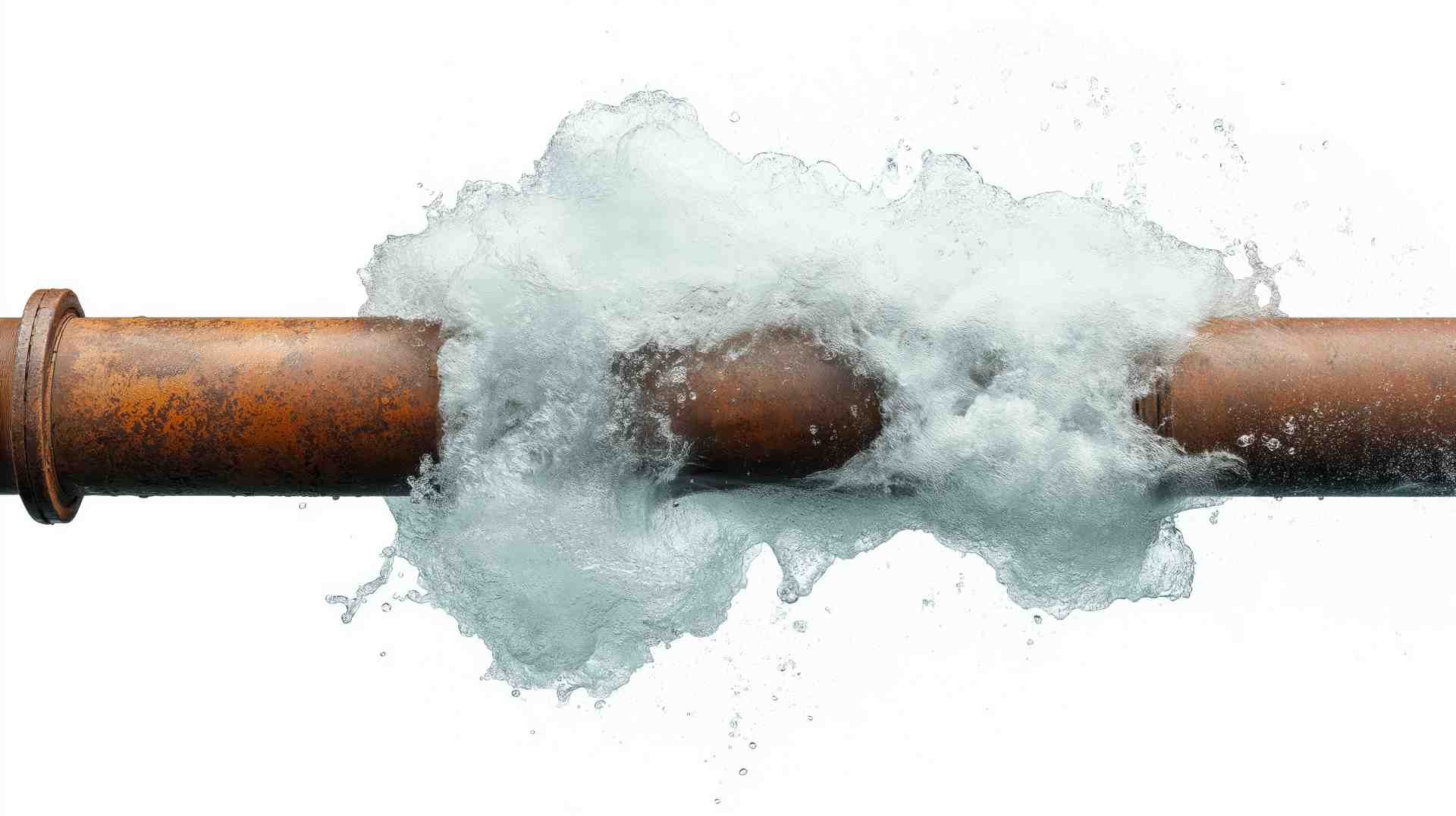
The real danger isn’t the frozen pipe, but the pressure buildup from the ice block. This pressure often ruptures pipes between the freeze and your faucet. When the ice thaws, water floods out, damaging walls, floors, and property.
While the South Bay Area avoids deep freezes, your pipes aren’t immune. Pipes in unheated crawl spaces, attics, garages, or exterior walls are vulnerable during cold snaps. A few hours below freezing can cause serious problems.
I’m Mike Counsil. With over 30 years in plumbing, I’ve seen countless homeowners face preventable burst pipes. Let me walk you through how to protect your home with the right knowledge about frozen pipe repair.
The Science Behind the Snap: Why Pipes Freeze and Burst
When winter arrives in the South Bay Area, it’s easy to forget our plumbing can be delicate. The core reason pipes freeze and burst is that water expands as it freezes. This expansion puts tremendous pressure on your home’s pipes, whether metal or plastic.
Exposure to temperatures at or below 20°F can cause pipes to freeze. The problem isn’t just the ice, but the pressure buildup. As water freezes and expands, it creates immense force, sometimes over 3,000 pounds per square inch (psi), which can split supply lines. While PVC and older metal pipes are susceptible, even flexible PEX pipes can be damaged. The damage often occurs not at the ice blockage, but in the pipe section between the ice and a closed faucet, where pressure becomes unbearable.
Understanding the Pressure Point
Water’s expansion when it freezes is the primary culprit. As water turns to ice, it pushes outward with a force that can exceed 3,000 psi—more pressure than a car jack can generate!
While all pipes are vulnerable, materials handle this pressure differently. Flexible PEX pipes have more give than rigid metal or PVC, which can sometimes prevent a burst, but even PEX has limits. The real danger is the pressure buildup. As ice blocks the pipe, water pressure increases significantly, ultimately breaking the pipe. As the American Red Cross points out, the damage often occurs not at the point where a pipe has frozen, but between the freeze and a faucet.
Common Culprits: Where Pipes Freeze Most Often
Even without prolonged deep freezes in the South Bay Area, certain parts of your plumbing are more susceptible. These are often in unheated or poorly insulated spaces:
- Basements and Crawl Spaces: These areas are cooler and prone to drafts if not sealed properly.
- Attics: Unheated attics get very cold, especially where pipes run near exterior walls.
- Garages: Unheated garages with water supply lines for appliances are at high risk.
- Exterior Walls: Pipes inside exterior walls with insufficient insulation are highly vulnerable.
- Uninsulated Pipes: Any pipe lacking proper insulation is an easy target for freezing.
- Outdoor Hose Bibs and Sprinkler Lines: Without proper winterization, these are guaranteed to freeze.
Understanding these vulnerable spots is the first step in prevention. For a deeper dive, see our guide on How to Winterize Your Home’s Plumbing System.
Spotting the Signs: Is Your Plumbing on Thin Ice?
Catching a frozen pipe before it bursts is key to avoiding costly frozen pipe repair. Pipes often freeze in hidden locations, so recognizing early warning signs can save you significant trouble. There are distinct symptoms for a frozen pipe versus one that has already burst.
Telltale Signs of a Frozen Pipe
Before a burst, your plumbing often gives clues that a pipe is frozen. Watch and listen for these signs:
- No Water Flow or Trickling Water: The most common sign. If a faucet produces only a trickle or no water, the supply pipe may be frozen.
- Frost on Pipes: Visually inspect exposed pipes in basements, crawl spaces, or under sinks for a layer of frost or ice.
- Bulging Pipes: The expansion of ice can cause the pipe to bulge outwards, a serious red flag.
- Strange Sounds: Gurgling, whistling, or banging sounds from walls can indicate water struggling past an ice blockage.
- Odors from Faucet/Drain: Unusual smells could mean an ice blockage is preventing proper drainage and allowing sewer gases to back up.
If you see these signs, act quickly to prevent a burst.
Red Flags of a Burst Pipe
A burst pipe is more dramatic and requires immediate attention. You’re dealing with an active leak and potential water damage. Here are the red flags:
- Water Stains or Puddles: Unexplained wet spots on walls, ceilings, or floors are clear indicators of a leak.
- Dripping or Rushing Water Sounds: You might hear water dripping or rushing behind walls.
- Sudden Drop in Water Pressure: A sudden pressure drop throughout your home could mean water is escaping the system.
- Increased Water Bill: A high water bill without a change in usage is a strong sign of a hidden leak. This is why we stress The Cost of Ignoring a Water Leak: Why Leak Detection Services Save You Money.
- Structural Damage Risk: Prolonged leaks can weaken structures and damage drywall, flooring, and furniture.
If you suspect a burst pipe, every minute counts in preventing further damage.
The Thaw Plan: Your Guide to Safe Frozen Pipe Repair
Finding a frozen pipe is alarming, but you can often thaw it safely yourself with a calm approach. The goal of frozen pipe repair is to thaw the ice without rupturing the pipe or causing injury.
Safe Methods for Thawing a Frozen Pipe
If you’ve found a frozen pipe that hasn’t burst, you’ve caught it early. Let’s thaw it safely with these recommended methods:
- Keep the Faucet Open: This is crucial. As the pipe thaws, flowing water will relieve pressure and help melt the remaining ice. Keep the affected faucet open.
- Hair Dryer: A safe, common tool. Use a low or medium heat setting and wave it along the frozen section. Don’t hold it in one spot to avoid overheating the pipe.
- Electric Heating Pad: Wrap a heating pad around the frozen section for gentle, consistent heat. Follow the manufacturer’s instructions and never leave it unattended.
- Portable Space Heater: Place a space heater in the room, keeping it a safe distance from the pipe and flammable materials. Never leave it unattended.
- Hot Towels: Soak towels in hot water, wring them out, and wrap them around the pipe. Replace them as they cool.
Important Technique: Always start thawing from the faucet end and work back toward the main supply. This lets melted water flow out, preventing pressure buildup. As the Charleston Water System advises, working backward relieves pressure. Thawing can take 30 minutes to several hours, so be patient.
What NOT to Do When Attempting a Frozen Pipe Repair
While you may want to melt the ice quickly, some methods are dangerous and can cause a burst pipe, fire, or injury.
- No Open Flames: Never use a blowtorch, propane heater, or any open flame. This is a serious fire hazard and the rapid heating can cause the pipe to burst.
- Electrical Safety: Use extreme caution if the area is wet or near electrical wiring. Don’t use electrical appliances if you are wet, and plug them into a GFCI outlet.
- Avoiding Rapid Heating: Heating a pipe too quickly can cause it to crack. Gentle, consistent heat is always better than intense heat, which can create dangerous steam pressure.
- Don’t Ignore the Burst Risk: Before thawing, check for a burst. If you suspect a rupture, turn off the main water supply first to prevent flooding. As we discuss in DIY vs. Professional Drain Cleaning: What’s Safe and What’s Not, knowing when to call a pro is crucial.
Damage Control: What to Do When a Pipe Bursts
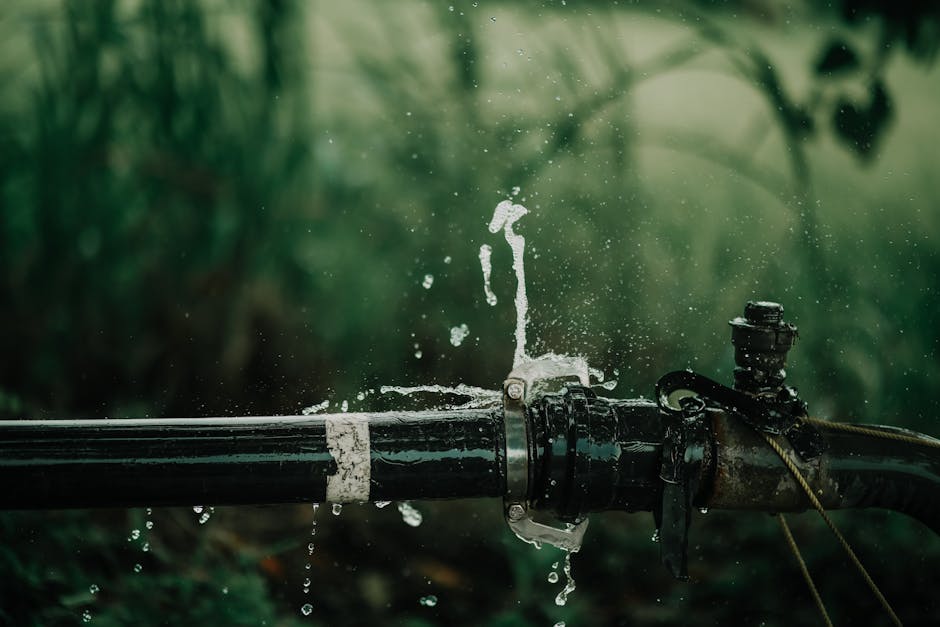
Even with preventative measures, pipes can burst. This is a plumbing emergency requiring immediate action to minimize water damage, as a burst pipe can release gallons of water, causing structural issues and mold.
Your First 5 Steps After a Pipe Bursts
When you find a burst pipe, every second counts. Follow these steps immediately:
- Shut Off the Main Water Valve: This is the top priority. Locate and turn off your home’s main water shut-off valve immediately to stop the water flow. Knowing its location before an emergency is critical.
- Turn Off Electricity to the Affected Area: If water is near electrical outlets or appliances, turn off power to that area at your breaker panel. Water and electricity are a dangerous mix.
- Call an Emergency Plumber: Once the water is off and electrical hazards are addressed, call us at Counsil Plumbing. We offer 24/7 emergency service with a 90-minute response time in the South Bay Area. Learn more in our guide on Emergency Water Line Services: What to Do When You Spot a Serious Leak.
- Open Faucets to Drain Remaining Water: Open all faucets (hot and cold) to help drain remaining water from the system and reduce pressure.
- Document Damage and Begin Cleanup (if safe): Take photos of the damage for insurance. If safe, start removing standing water with buckets, towels, or a wet/dry vacuum to reduce secondary damage.
DIY Temporary Fixes (Until the Plumber Arrives)
While professional frozen pipe repair is essential, temporary DIY fixes can slow a leak until we arrive. These are stop-gap measures, not long-term solutions.
- Pipe Clamps: A pipe repair clamp from a hardware store can seal small holes or cracks.
- Repair Tape: Special waterproof repair tape can be wrapped tightly around a leak. Ensure the pipe is dry for good adhesion.
- Rubber Sleeves/Patches: A piece of rubber secured with hose clamps can temporarily patch a hole.
These methods buy you time but are not a permanent, code-compliant repair. Our plumbers will perform a durable repair or replacement. For more on professional solutions, see our Water Line Repair & Replacement Guide.
Proactive Protection: How to Prevent Frozen Pipes
For frozen pipe repair, prevention is key. Proactive steps save you from the stress, expense, and damage of burst pipes. We want to empower South Bay Area homeowners to protect their homes.
Long-Term Prevention Strategies
A small investment now can significantly reduce your risk for years.
- Pipe Insulation: This is your first defense. Use foam pipe sleeves on exposed pipes in unheated areas like basements, crawl spaces, attics, and garages. Also, insulate pipes under sinks against exterior walls.
- Heat Tape or Heat Cables: For especially vulnerable pipes, install UL-listed heat tape. These electrical elements wrap around pipes and turn on when temperatures drop. Always follow manufacturer instructions.
- Sealing Drafts and Openings: Cold air infiltration causes frozen pipes. Seal cracks in your exterior walls, foundation, and crawl spaces with caulk and weatherstripping.
- Frost-Free Spigots (Sillcocks): A frost-free spigot positions the shut-off valve inside your home’s heated space, preventing water from freezing in the exposed pipe. Consider upgrading if you don’t have them.
- Residential Repiping Considerations: Older homes with galvanized iron or polybutylene pipes are at higher risk for bursting. In these cases, Residential Repiping can be a long-term solution for freeze prevention.
Quick Tips for a Sudden Cold Snap
When a cold snap hits unexpectedly, act fast with these immediate steps:
- Let Faucets Drip: A small, continuous trickle of cold water from vulnerable faucets keeps water moving, making it harder to freeze and relieving pressure.
- Open Cabinet Doors: For sinks on exterior walls, open cabinet doors to allow warm air to circulate around the pipes. Remove any harmful chemicals if you have children or pets.
- Maintain Thermostat Settings: Keep your thermostat at a consistent temperature (at least 55-60°F), day and night. If you’re away, don’t turn the heat off; set it no lower than 55°F.
- Drain Outdoor Hoses and Winterize Sprinkler Systems: Disconnect garden hoses from spigots and ensure your sprinkler system is properly drained and shut off.
- Consider a Plumbing Inspection: An annual inspection can identify vulnerable pipes before winter. Learn more about Why Annual Plumbing Inspections Save You Money.
When to Call in the Pros: Knowing Your Limits
While some frozen pipe issues are DIY-friendly, many situations require a professional plumber. Knowing when to call Counsil Plumbing can prevent further damage, injury, or more costly repairs.
Scenarios That Demand a Professional Plumber
Sometimes, the situation is beyond simple fixes. Call professionals for frozen pipe repair in these scenarios:
- The Pipe Has Already Burst: If you have an active leak, shut off the main water and call us. You need a permanent, professional repair, not a temporary fix.
- Inaccessible Pipes: If the frozen pipe is behind walls, under floors, or in a ceiling, you’ll need specialized tools to access it safely.
- Can’t Locate the Freeze: If you have no water flow but can’t find the frozen section, a plumber has diagnostic tools to identify the blockage.
- DIY Methods Have Failed: If safe thawing methods haven’t worked after several hours, the freeze may be more extensive than you realize.
- You’re Unsure or Uncomfortable: If you feel overwhelmed or unsafe, always err on the side of caution and call a professional.
At Counsil Plumbing, we offer Same-Day Plumbers for urgent situations. With our 24/7 emergency service and 90-minute response time in the South Bay Area, we’re there when you need us.
The Hidden Dangers of Water Damage
A burst pipe’s flood is obvious, but the long-term consequences of water damage are insidious. Delaying proper cleanup and repair can lead to a cascade of problems:
- Structural Rot: Water seeping into wooden beams and floor joists can cause rot, compromising your home’s structure.
- Mold and Mildew Growth: Mold can grow within 24-48 hours, causing respiratory issues and damaging surfaces.
- Damaged Insulation: Wet insulation loses its effectiveness and becomes a breeding ground for mold. It often needs complete replacement.
- Electrical Hazards: Water can damage wiring and appliances, creating short circuits or fire risks.
- Costly Future Repairs: A simple pipe repair can escalate into extensive reconstruction and mold remediation if not addressed promptly.
Timely frozen pipe repair and water damage mitigation are vital. Our team can fix the pipe and advise on follow-up steps. For more, explore our Water Line Repair & Replacement services.
Conclusion
We’ve covered why pipes freeze and the steps for frozen pipe repair and prevention. The key takeaway: freezing water expands, creating immense pressure that can burst pipes. Knowing the signs, acting quickly, and taking preventative measures are your best defenses.
Remember to insulate pipes, seal drafts, keep your home warm, and know how to thaw a frozen pipe safely. If a pipe bursts, your immediate actions—shutting off the main water and calling a professional—are paramount.
At Counsil Plumbing, we bring over 30 years of trusted experience and hundreds of five-star reviews to every job. We offer 24/7 emergency service with a 90-minute response time and a 100% satisfaction guarantee for homeowners across the South Bay Area, including Cupertino, Los Altos, Los Gatos, San Jose, Saratoga, Sunnyvale, Monte Sereno, Campbell, Willow Glen, and Cambrian Park. Don’t let frozen pipes catch you off guard. For plumbing solutions in the San Jose area, consult our Residential Plumbing San Jose Guide.