Why Drain Clog Solutions Matter for Your Home
A drain clog can instantly disrupt your day. Here’s what actually works:
Quick Solutions That Work:
- Plunger: Best for toilet and sink clogs
- Drain snake: Effective for hair and debris blockages
- Baking soda + vinegar: Natural option for minor clogs
- Boiling water: Dissolves grease buildup
- Professional help: Required for recurring or multiple drain issues
Telltale signs like standing water, slow drainage, gurgling sounds, and foul odors mean you have a blockage. It’s a frustrating problem that can derail your entire day.
The reality is simple: not all solutions work for every situation. Hair clogs require a different approach than grease, and food waste needs a different tool than tree roots in your main line.
Some methods, like chemical drain cleaners, can even damage your pipes and make the problem worse.
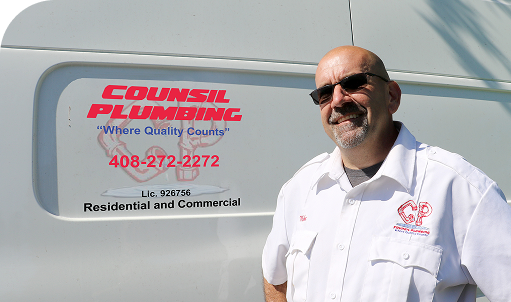
I’m Mike Counsil, a second-generation plumber with over 30 years of experience solving drain clog problems for San Jose homeowners. The key to effective removal is matching the right solution to the specific blockage.
First, Diagnose Your Drain: Common Causes and Telltale Signs
Understanding the cause of your drain clog is the first step to fixing it. Most blockages fall into a few common categories.
Hair is a primary culprit in bathroom drains. It combines with soap residue to form tough mats that block pipes in showers, sinks, and laundry drains.
Soap scum builds up on pipe walls, narrowing them and trapping hair and debris.
In the kitchen, grease and oil solidify in cool pipes, coating them and trapping food particles to create hard blockages.
Food waste, especially items like pasta, rice, and coffee grounds, can expand or clump together, causing blockages even with a garbage disposal.
“Flushable” wipes don’t break down like toilet paper. They clump together and create massive blockages that can back up your entire system.
Mineral buildup from hard water creates rough surfaces inside pipes that catch debris.
Tree roots can penetrate sewer lines through tiny cracks, growing into dense webs that block the pipe.
Your drains will give you warning signs when a clog is forming:
- Slow drainage is usually the first red flag.
- Unpleasant smells indicate rotting material or escaping sewer gas.
- Gurgling noises mean air is struggling to get past a blockage.
- Water backing up into another fixture points to a shared line problem.
- Standing water means you have a complete blockage.
- Wet spots or unusually green grass in your yard can signal an underground sewer line issue.
Once you know the likely cause, you can choose the right tool for the job.
The DIY Drain Clog Remover Toolkit
Many clogs can be tackled with DIY methods, but it’s important to match the tool to the situation. Using the wrong method can be ineffective or even cause damage.
Mechanical Removers: Plungers & Drain Snakes
These tools physically dislodge or remove blockages.
Plungers use pressure to dislodge clogs. Use a cup plunger for sinks and a flanged one for toilets. To use it effectively, ensure the plunger cup is covered with water, create a tight seal, and cover any overflow openings. Plunge vigorously for 15-30 seconds. They are best for toilet clogs and minor sink or shower blockages.
Drain snakes (or augers) can reach deeper into pipes. Feed the snake into the drain until you feel resistance, then twist and push to break up or hook the clog. Retract it slowly, pulling the debris out with it. Snakes are excellent for hair clogs and soap scum that are beyond a plunger’s reach.
More info about our plumbing solutions.
Natural & Homemade Solutions: Baking Soda, Vinegar, & Boiling Water
For a gentler approach, natural solutions can be effective on minor clogs.
The baking soda and vinegar reaction creates bubbling carbon dioxide gas that helps break up minor grease clogs, soap scum, and deodorize drains.
- Pour a pot of boiling water down the drain (use very hot tap water for PVC pipes).
- Add about half a cup of baking soda and let it sit for a few minutes.
- Follow with half a cup of white vinegar.
- Immediately cover the drain to direct the bubbling action downward.
- Let it sit for 15-20 minutes.
- Flush with another pot of hot water.
Boiling water is effective for melting grease and dissolving soap scum. Add dish soap for extra power in kitchen sinks. Caution: Boiling water can damage PVC pipes after repeated use; very hot tap water can be used instead. Pour slowly into the drain, not the fixture.
Enzymatic cleaners use bacteria and enzymes to safely break down organic matter like hair and grease. They work slowly (often overnight) and are excellent for maintenance. They are safe for all pipes and septic systems.
Chemical Cleaners: The Pros, Cons, and Risks
While convenient, we urge extreme caution with chemical drain cleaners. These products use caustic reactions to dissolve clogs, but the risks often outweigh the benefits.
We advise against them due to significant risks:
- Pipe Damage: Harsh chemicals in products like these cleaners can corrode your pipes over time, leading to costly leaks.
- Ineffectiveness & Hazard: They often fail on non-organic clogs, leaving a pool of corrosive chemicals in your pipe, which is hazardous for any future manual removal attempts.
- Safety Risks: They can cause severe skin and eye burns, and their fumes are toxic. Mixing them with other cleaners can create dangerous gases.
- Environmental Impact: These chemicals harm aquatic life and disrupt water treatment processes.
- Worsening the Clog: The heat generated can warp plastic pipes, and partially dissolved clogs can solidify into a harder mass.
Read our blog for more plumbing tips.
Advanced Solutions for a Stubborn Drain Clog
When DIY efforts fail, a stubborn drain clog may signal a deeper problem that requires professional-grade tools.
Matching the Method to the Mess: Specific Drain Clog Solutions
Different clogs require different strategies. Here’s how to tackle the most common types:
Hair clogs: Common in bathrooms. Try a plunger first, then a drain snake. For stubborn clogs, professional motorized snakes or hydro jetting are necessary.
Grease clogs: Found in kitchens. Start with boiling water and a baking soda/vinegar mix. Severe grease clogs require professional tools like motorized augers or hydro jetting to fully clear the pipe.
Food waste clogs: A plunger or baking soda/vinegar can work. If not, a professional auger or hydro jetting is needed.
Tree root intrusion: This is a job for professionals. There are no effective DIY solutions. We use sewer cameras for diagnosis, followed by specialized root-cutting augers or hydro jetting.
| Clog Type | Plunger | Drain Snake (Manual/Small Electric) | Baking Soda/Vinegar | Boiling Water |
|---|---|---|---|---|
| Hair | Good | Excellent | Fair | Fair |
| Grease | Poor | Poor | Good | Excellent |
| Minor Food Waste | Excellent | Good | Good | Good |
| Soap Scum | Fair | Good | Good | Excellent |
| Foreign Objects | Good | Good (if hookable) | Poor | Poor |
| Tree Roots | Poor | Poor | Poor | Poor |
When to Call a Professional Plumber
Certain signs indicate a problem that requires a professional. Ignoring them can lead to bigger issues.
- Recurring clogs: If a clog keeps returning, it points to a deeper issue like pipe damage or significant buildup.
- Multiple drains clogged: This usually signals a blockage in your main sewer line, a serious problem.
- Sewage backup: If sewage backs up into your home, it’s an emergency caused by a main line blockage. This is unsanitary and requires immediate professional help.
- Persistent foul odors: Lingering smells suggest a deep clog or a plumbing vent issue.
- DIY methods fail: If you’ve exhausted DIY options without success, it’s time to call a professional.
- Other red flags: Gurgling from multiple drains, water backing up in one fixture when using another, or wet spots in your yard all point to a main line problem.
Our professional tools provide effective solutions. Sewer camera inspections pinpoint the exact cause and location of the clog. Motorized drain augers are more powerful than rental units and can clear tough blockages. Hydro jetting is our most effective tool, using high-pressure water to blast away clogs and scour the pipe walls clean of grease, roots, and buildup. Our general plumbing services can help get your drains flowing freely again.
The Best Offense is a Good Defense: Preventing Future Clogs
Preventing a drain clog is far easier than fixing one. Adopting a few simple habits can keep your pipes clear and save you from future headaches.
Use drain screens. Place mesh strainers in all sink and shower drains to catch hair and food debris. Clean them regularly.
Properly dispose of grease. Never pour cooking grease, fat, or oil down the drain. Let it cool and solidify in a container, then throw it in the trash.
Be mindful of food waste. Avoid putting fibrous vegetables (celery), coffee grounds, pasta, or rice down the garbage disposal. Compost or trash them instead.
Flush with hot water weekly. Pour very hot water down the kitchen sink once a week to melt away grease buildup before it becomes a problem.
Only flush toilet paper and human waste. Never flush “flushable” wipes, paper towels, cotton balls, or hygiene products. Your toilet is not a trash can.
Use your garbage disposal correctly. Run cold water before, during, and after use to keep grease solid. Grind food in small batches and occasionally clean the unit by grinding ice cubes and citrus peels.
Perform regular maintenance. Clean drain stoppers to remove hair and soap scum. Use a monthly enzyme-based drain cleaner to safely break down organic buildup without damaging your pipes.
These simple habits take just minutes but can save you hours of frustration and hundreds of dollars in repairs.
Frequently Asked Questions about Drain Clogs
Here are answers to the most common questions we hear about drain clogs.
What are the consequences of ignoring a drain clog?
Ignoring a slow or clogged drain can lead to severe consequences:
- Pipe Damage: Constant pressure from standing water can stress and crack pipes.
- Water Damage & Flooding: A complete blockage can cause overflows, damaging floors, walls, and belongings.
- Sewage Backup: A blocked main line can force raw sewage back into your home, creating a hazardous and costly emergency.
- Pest & Mold Growth: Stagnant water attracts pests and promotes unhealthy mold growth.
- Costlier Problems: What starts as a simple clog can escalate into a major issue affecting your main water line.
Can I use a chemical cleaner if I have a septic system?
The short answer is no. Harsh chemical cleaners kill the beneficial bacteria your septic system needs to break down waste. This can disrupt the system’s balance and lead to failure. Instead, use septic-safe alternatives:
- Enzymatic cleaners use natural bacteria to dissolve organic clogs without harming your system.
- Mechanical methods like plungers and drain snakes are always safe for septic tanks.
- The baking soda and vinegar method is also a safe option.
If you have a septic system and persistent clogs, call a professional who can diagnose the issue without harming your system.
Why is more than one drain in my house clogged?
This almost always indicates a blockage in your main sewer line, not individual drains. All your home’s drains lead to this single pipe, so a clog there affects everything upstream. Common causes include:
- Tree root intrusion growing into the pipe.
- Severe grease buildup that has accumulated over years.
- A collapsed or damaged pipe, especially in older homes.
A telltale sign is water backing up in a low point like a shower when you flush a toilet. This is not a DIY problem and requires professional diagnosis with a sewer camera to identify the cause and location.
Get Your Drains Flowing Freely Again
Success with any drain clog comes down to one principle: identifying the clog type is key to choosing the right solution. Matching your method to the mess—whether it’s hair, grease, or something else—is critical.
Start with the least invasive method. Always try a plunger or drain snake before considering harsher options. Natural remedies like baking soda and vinegar are also great, pipe-safe alternatives.
Prevention is crucial for long-term plumbing health. Simple habits like using drain screens and properly disposing of grease can save you from future headaches and costly repairs.
However, some clogs are beyond DIY fixes. For recurring blockages, multiple clogged drains, or suspected main line issues like tree roots, it’s time to call a professional.
For severe blockages, the experienced team at Counsil Plumbing has the professional tools to resolve the problem safely and effectively. Our sewer cameras and hydro jetting equipment can diagnose and clear the toughest clogs without guesswork.
If your DIY efforts fail or you suspect a major blockage, don’t wait. We’re here 24/7 with a 90-minute emergency response and a 100% satisfaction guarantee. Learn more about our sewer line services and let us get your drains flowing freely again.