
ClickCease

How to Install a Faucet the Right Way

Why Proper Faucet Installation Matters

Faucet installation is an impactful DIY project that instantly refreshes your kitchen or bathroom, improves functionality, and can save thousands of gallons of water annually.

Quick Faucet Installation Overview:

  1. Turn off water at shut-off valves under the sink.
  2. Remove the old faucet by disconnecting supply lines and mounting nuts.
  3. Clean the sink surface and prepare the mounting area.
  4. Install the new faucet with the proper gasket and mounting hardware.
  5. Connect supply lines to hot and cold water valves.
  6. Test for leaks and flush the system.

A single leaky faucet can waste over 3,000 gallons of water per year. Upgrading to modern, low-flow faucets not only improves your home’s aesthetic and value but also significantly reduces water usage and lowers utility bills.

The biggest challenge is often removing the old faucet. Loosening corroded mounting nuts in tight spaces under the sink requires patience and the right tools, like a basin wrench.

I’m Mike Counsil, and with over 30 years of experience in faucet installation and plumbing repairs in the San Jose area, I’ll guide you through this project. Whether you’re doing it yourself or need professional help, this guide covers everything you need for a successful installation.

Comprehensive faucet installation guide showing step-by-step process from water shut-off through final testing, including tools needed (basin wrench, adjustable wrench, pliers), different faucet types (single-handle, centerset, widespread), and common troubleshooting tips for leak prevention - faucet installation infographic infographic-line-5-steps-blues-accent_colors

Before You Begin: Choosing Your Faucet & Gathering Supplies

Proper preparation is key to a smooth faucet installation. Choosing the right faucet for your sink and gathering all your tools beforehand will prevent frustration and delays.

Understanding Faucet Types and Sink Configurations

Selecting the right faucet is simple once you understand the basics. Kitchen faucets are workhorses, often with pull-down sprayers, while bathroom faucets focus more on style.

Your first decision is the handle configuration. Single-handle faucets offer a sleek, modern look, controlling temperature and flow with one lever. Two-handle faucets provide a classic look with separate controls for hot and cold water.

Crucially, your sink’s hole configuration determines which faucet you can install. 1-hole sinks are for single-handle faucets, while 3-hole and 4-hole sinks accommodate various multi-handle setups.

  • Centerset faucets are common in bathrooms and are designed for sinks with three holes spaced 4 inches apart (center to center). The handles and spout are an integrated unit, simplifying installation.
  • Widespread faucets offer more design flexibility with separate components for the spout and handles, typically requiring an 8-inch spread. Installation is more involved due to individual connections.

If your sink has more holes than your new faucet needs, use the included escutcheon plate (a decorative cover) to hide them for a clean finish.

Consider upgrading to low-flow faucets with the WaterSense label. They are EPA-certified to save water without sacrificing performance, which reduces your water bill. As detailed in The Hidden Costs of Leaky Faucets, efficient fixtures can dramatically reduce waste.

Essential Tools and Materials for Faucet Installation

Gathering your tools before you start is essential for an efficient faucet installation. Your new faucet assembly should include mounting hardware and gaskets, but always check the box contents first.

  • Basin Wrench: This specialized tool is essential for reaching tight mounting nuts under the sink.
  • Adjustable Wrench & Pliers: For most connections and stubborn supply lines.
  • Screwdrivers: Both Phillips and flathead types.
  • Plumber’s Putty or Silicone Sealant: For creating a watertight seal (some modern faucets use rubber gaskets instead).
  • Flexible Water Supply Lines: To connect the faucet to the shut-off valves.
  • Bucket and Rags/Towels: For catching water and cleaning up spills.
  • Flashlight or Headlamp: To illuminate the dark space under the sink.
  • Safety Glasses: To protect your eyes from debris and water.
  • Penetrating Oil: To loosen corroded nuts that are difficult to remove.

Step-by-Step: Removing the Old Faucet

Removing the old faucet can be the most challenging part of a faucet installation, especially with old, corroded parts. Patience is key.

Shutting Off the Water and Prepping the Workspace

A little prep work prevents major messes. First, clear everything out from under your sink to give yourself ample room to work.

Next, place a bucket and towels directly under the faucet connections to catch any residual water that will drain from the lines.

Now, the most important step: locate the shut-off valves under the sink (one for hot, one for cold). Turn both valves clockwise until they are completely closed.

If your home lacks individual shut-off valves, you must shut off the main water supply to the house, typically found in a basement, utility room, or near the water meter. Missing or broken valves are a job for a professional; consider our Emergency Water Line Services for an upgrade.

Finally, open the old faucet handles to relieve pressure and drain any remaining water from the lines.

Disconnecting and Removing the Old Fixture

With the water off, you can begin disassembly.

Start by disconnecting the supply lines from the shut-off valves using an adjustable wrench. Be prepared for some water to trickle out into your bucket.

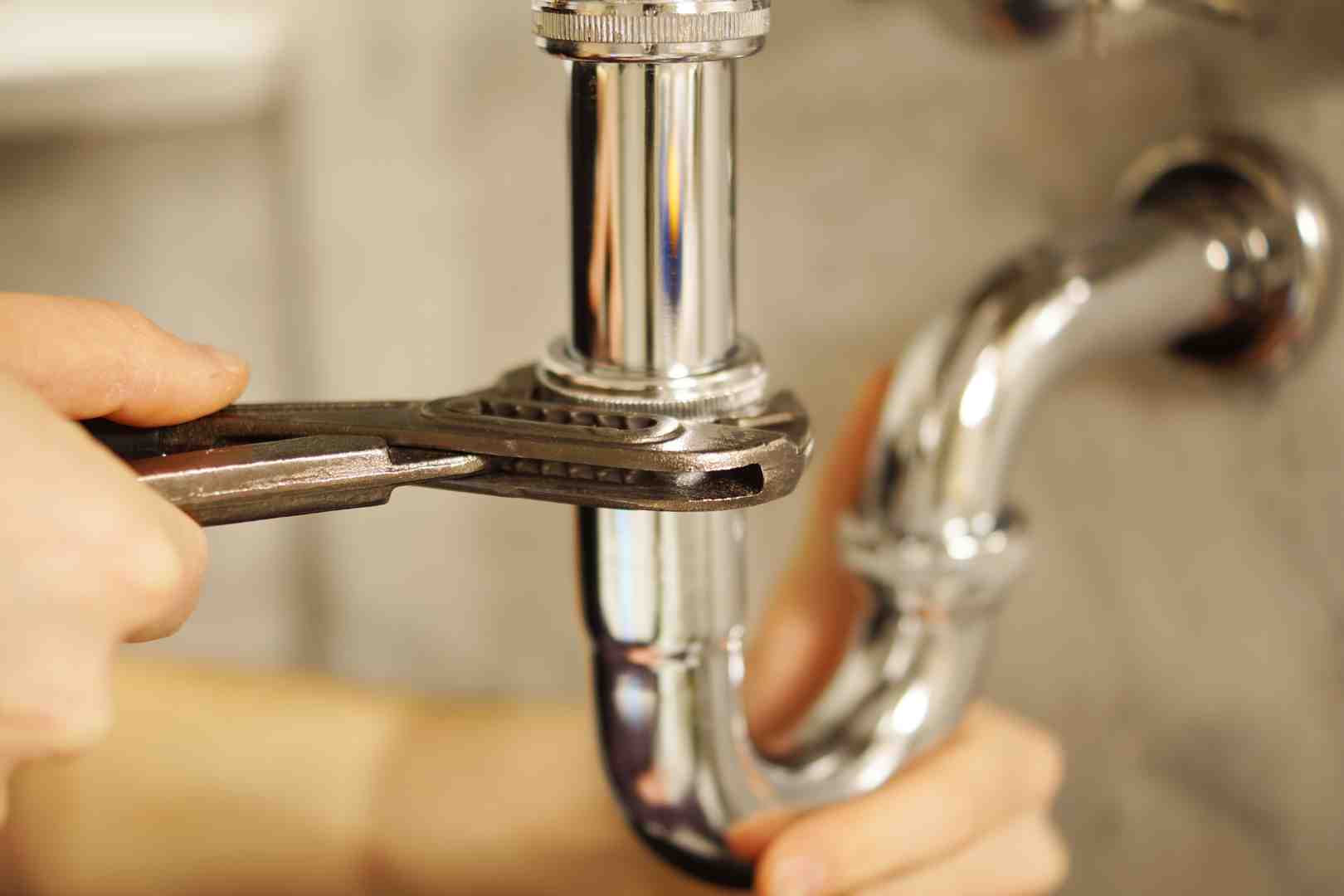
Next, remove the mounting nuts that secure the faucet to the sink. This is where a basin wrench is essential for reaching the nuts tucked away in tight spaces.

Fit the basin wrench onto the nuts and turn counter-clockwise. If the nuts are corroded and won’t budge, apply penetrating oil and let it sit for 10-15 minutes before trying again. You may need to reapply it. A gentle tap on the wrench can help break the corrosion, but be careful not to damage the sink.

If your faucet has a pop-up drain stopper, disconnect the lift rod from the drain assembly under the sink by loosening a small nut or clip.

Once all connections are loose, lift the old faucet straight up from the sink deck. It may require some wiggling if old putty is holding it in place.

Finally, thoroughly clean the sink surface around the faucet holes. Use a putty knife to scrape away old plumber’s putty, sealant, and mineral deposits to ensure a clean, smooth surface for the new faucet.

The Complete Guide to Faucet Installation

With the old faucet removed and the sink deck clean, you’re ready to install your new fixture. This is the most rewarding part of the faucet installation process.

Preparing the Sink and Mounting the New Faucet

A proper seal is critical to prevent leaks. Ensure the sink deck is completely clean and dry around the faucet holes.

Many modern faucets include a rubber gasket. If so, place the gasket on the sink deck, align it with the holes, and set the faucet body on top.

If your faucet requires plumber’s putty or silicone sealant, roll a 1/4-inch rope of putty and apply it to the faucet’s base. Press the faucet into position; excess putty will squeeze out, indicating good coverage. Wipe away the excess later. For rough surfaces or a more permanent bond, use clear silicone sealant instead.

Position the new faucet by threading its tailpieces through the holes in the sink. From above, check that the faucet is centered and aligned.

From underneath, slide on the included washers and mounting nuts. Hand-tighten them first to allow for final adjustments. Once you’re satisfied with the alignment, use a basin wrench to fully tighten the nuts. Tighten them alternately to ensure the faucet is drawn down evenly. Be firm but avoid over-tightening, as this can crack a porcelain sink or damage the hardware.

Installing Different Faucet Types

While the mounting process is similar for all types, there are minor differences. Always refer to your faucet’s instruction manual.

  • Single-handle faucets: These are often the most straightforward. For a pull-down kitchen model, thread the sprayer hose through the faucet body before mounting, and attach the counterweight to the hose under the sink to ensure smooth retraction.
  • Two-handle faucets: These involve installing three separate pieces (hot valve, cold valve, spout). Mount the valves in their respective holes (hot on the left, cold on the right) and ensure the handles are oriented correctly before final tightening.
  • Centerset faucets: These are integrated units, and installation is similar to a single-handle faucet.
  • Widespread faucets: Each component (spout, handles) is installed separately. After securing them, connect flexible water feed tubes between the valves and the spout’s mixing tee underneath. A Video guide for installing a widespread faucet can be helpful for visual learners.

Connecting the Water Supply Lines

Now it’s time to connect the water.

Attach the flexible supply lines to the faucet’s inlets. Some faucets have integrated lines; others require you to screw them onto the tailpieces. Hand-tighten first.

Only use PTFE (Teflon) tape on shut-off valves if the outlet is a threaded (NPT) connection. For standard compression-type shut-off valves, do not use tape. The ferrule creates the seal.

Connect the supply lines to the shut-off valves—hot on the left, cold on the right. Hand-tighten, then use an adjustable wrench for a final quarter-turn. Do not overtighten, as this can strip threads.

Check that the flexible supply lines are not kinked or twisted, which can restrict water flow.

If your existing water lines look old or corroded, now is a good time to replace them. At Counsil Plumbing, we provide Water Line Services in the San Jose area to ensure reliable water flow.

Final Checks, Troubleshooting, and When to Call a Pro

The final steps are crucial for a successful faucet installation and preventing future water damage.

Testing for Leaks and Flushing the System

It’s time to test your work carefully.

Slowly turn the water back on at the shut-off valves (or the main supply). Turn them counter-clockwise very gradually, listening for any hissing or spraying sounds.

Next, perform a thorough inspection. Use a flashlight to examine every connection point: where supply lines meet the faucet, where they connect to the shut-off valves, and around the base of the faucet. A helpful tip is to dab each connection with a dry paper towel; any dampness indicates a leak that needs to be addressed.

checking for leaks under the sink with a flashlight and a dry paper towel - faucet installation

Now, flush the system. Remove the aerator from the faucet spout (it usually unscrews by hand). Turn on both hot and cold water fully and let them run for a minute. This clears out any debris or air that entered the lines during installation, preventing future clogs or low pressure.

After flushing, turn off the water, screw the aerator back on, and test all faucet functions, including any sprayers.

Common Faucet Installation Problems and Solutions

Even with careful work, issues can arise. Here’s how to handle common problems:

  • Low water pressure: Ensure the shut-off valves are fully open. If they are, the cause is likely debris. Remove the aerator and flush the lines again.
  • Leaks from the faucet base: This indicates a poor seal. The gasket may have shifted, or the mounting nuts may need more tightening. You may need to loosen the faucet, reapply the sealant or reposition the gasket, and retighten.
  • Leaks from supply line connections: This is often due to a loose connection or missing Teflon tape. Turn off the water, re-wrap the threads with tape, and carefully retighten the connection (snug, but not overtightened).
  • Loose or wobbly faucet body: The mounting nuts under the sink need to be tightened further with a basin wrench.
  • Handles operating backwards (hot/cold reversed): The supply lines were swapped. Turn off the water and switch the lines to their correct positions.

When to Call a Professional Plumber

While DIY is rewarding, some situations are best left to professionals.

  • Severely corroded parts: If pipes or nuts are crumbling or seem fused together, a professional can remove them without damaging your plumbing system.
  • Leaky or broken shut-off valves: These must be replaced by a professional before you can safely complete your faucet installation.
  • Mismatched plumbing connections: Older homes may have non-standard plumbing that requires special adapters or modifications.
  • No shut-off valves present: Installing new shut-off valves is a job for a plumber and will make future repairs much safer and easier.
  • If you’re not confident: A plumbing mistake can lead to costly water damage. Calling a professional for peace of mind is a smart choice. As we note in Why Annual Plumbing Inspections Save You Money, preventative care and professional service can save you from emergencies.

Frequently Asked Questions about Faucet Installation

Here are answers to the most common questions we hear about faucet installation.

How long does it take to install a faucet?

The time can vary. A typical DIY faucet installation takes 1-2 hours if there are no complications. However, dealing with corroded mounting nuts on the old faucet can significantly extend this time. A professional plumber can usually complete the job in under an hour due to specialized tools and experience.

Can I install a 1-hole faucet in a 3-hole sink?

Yes. Most single-hole faucets include an optional deck plate (or escutcheon plate). This decorative cover sits on the sink deck, concealing the two unused outer holes for a clean, finished look. You simply mount the deck plate first, then install the faucet through its center hole.

What’s the hardest part of faucet installation?

Removing the old faucet is almost always the most difficult step. Working in the tight space under a sink to loosen mounting nuts that have been seized by years of corrosion is a significant challenge. This is where a basin wrench is invaluable, but even with the right tools, some old hardware can be extremely stubborn. Once the old faucet is out, installing the new one is usually a much smoother process.

A Fresh Look and Better Function for Your Home

Installing a new faucet is a rewarding project that instantly upgrades your kitchen or bathroom’s appearance and improves water efficiency. By following these steps, you can tackle the job with confidence and enjoy the satisfaction of a successful DIY project.

Of course, not every faucet installation goes as planned. Stubborn corroded parts or unexpected plumbing configurations can turn a simple job into a frustrating one. There is no shame in calling for professional backup when you need it.

At Counsil Plumbing, we have helped homeowners in the San Jose area with their plumbing needs for over 30 years. Whether you’ve hit a snag in your project or prefer the peace of mind of a professional installation from the start, our team is ready to help. We treat every job with care and offer a 100% satisfaction guarantee.

With our 24/7 emergency service and 90-minute response time, we’re here when you need us most. Ready to upgrade your faucet or need expert help? Contact us for professional residential plumbing services and let’s get the job done right.

Scroll to Top

Get an Appointment

Fill out the form below, and we will be in touch shortly.