Why Water Line Repair Replacement Deserves Your Immediate Attention
Water line repair replacement is a topic most homeowners ignore until disaster strikes. The main pipe carrying water to your house works silently underground, but when it fails, the consequences can be severe.
Quick Guide to Water Line Repair Replacement:
- Repair: Costs $350-$1,700. Best for isolated leaks in newer pipes.
- Replacement: Costs $3,000-$10,000+. Needed for old pipes (50+ years) or multiple failures.
- Warning Signs: Low water pressure, high bills, wet yard spots, discolored water.
- Timeline: Repairs take hours to a day; replacement usually takes 1-2 days.
- Top Materials: PEX and copper offer the most reliability.
Ignoring a soggy yard or a sudden spike in your water bill can lead to foundation damage and contaminated water, turning a manageable repair into a costly emergency. Understanding your options—repair versus replacement—puts you in control.
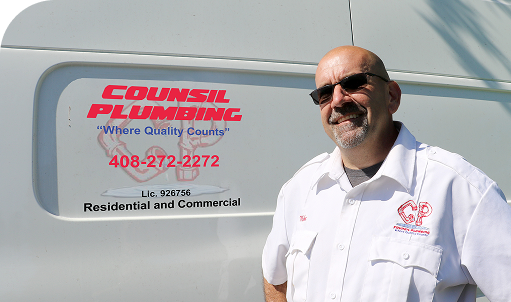
I’m Mike Counsil, a second-generation plumber with over 30 years of experience helping South Bay homeowners with water line repair replacement decisions. My team and I have handled every type of water line failure, from simple leaks to complete system overhauls.
Step 1: Spotting the Signs of a Failing Water Line
Because your main water line is buried, problems often go unnoticed until they become emergencies. Fortunately, your home provides warning signs that a water line repair replacement is needed. Recognizing these signals can save you thousands.

- Low water pressure: If your showers are weak or faucets trickle, a leak or internal corrosion could be reducing water flow to your home.
- High water bills: A sudden, unexplained jump in your water bill is a classic sign of a hidden leak. Even a small crack can waste hundreds of gallons a month. The Cost of Ignoring a Water Leak: Why Leak Detection Services Save You Money details how expensive waiting can be.
- Discolored water: Rusty or brown water, especially in the morning, indicates your pipes are corroding from the inside. This is common in older homes with galvanized steel pipes.
- Wet spots in your yard: A perpetually soggy patch of lawn that never dries out is a strong indicator of an underground pipe leak.
- Foundation cracks: Severe leaks can saturate the soil around your foundation, causing it to shift and crack. This turns a plumbing issue into a structural nightmare.
- Sound of running water: Hearing a hissing or dripping sound when all faucets are off means you have a leak somewhere in your system.
- Mold or mildew smell: A persistent musty odor without an obvious source can point to a hidden leak inside walls or under floors.
If you notice any of these signs, don’t wait. Water line problems only get worse and more expensive over time. For urgent issues, our Emergency Water Line Services: What to Do When You Spot a Serious Leak team is available 24/7.
Step 2: Uncovering the Main Causes of Water Line Failure
Understanding what causes water lines to fail helps you know your home’s vulnerabilities. After three decades of water line repair replacement work in the South Bay, we’ve seen it all.
- Pipe material: This is the biggest factor. Old galvanized steel, lead, or polybutylene pipes are prone to failure. Lead pipes are a health hazard and must be replaced, while polybutylene (used from the late ’70s to mid-’90s) is known for sudden ruptures.
- Corrosion and rust: Metal pipes like galvanized steel and copper gradually corrode from the inside out, causing pinhole leaks, reduced flow, and a metallic taste in your water.
- Tree root intrusion: Tree roots are naturally drawn to moisture and can wrap around and break into water lines, causing major damage.
- Shifting soil: Ground settlement, heavy traffic, or even weather changes can put stress on rigid pipes, leading to cracks and breaks.
- High water pressure: Pressure over 80 PSI constantly stresses your entire plumbing system, making failures more likely. A faulty pressure regulator is often the culprit.
- Freezing and thawing cycles: Though less common in California, a sudden cold snap can freeze water in pipes, causing them to expand and crack.
- Poor installation: Improperly installed pipes can fail prematurely. This is why choosing an experienced professional for your water line repair replacement is crucial.
Pipe lifespan varies by material. Knowing what’s underground helps you plan:
- Copper: 50-75+ years. Durable but can corrode in certain conditions.
- PEX: 50-100+ years. Flexible, resists corrosion and freezing.
- PVC: 50-75+ years. Affordable but can become brittle over time.
- Galvanized steel: Needs replacement after 40-50 years due to rust and mineral buildup.
Understanding these causes allows us to recommend the right solution for your home.
Step 3: Repair vs. Replacement – Making the Right Choice
When your water line fails, you face a big decision: repair or replace? The right choice depends on your specific situation, much like deciding whether to fix an old car or buy a new one.
| Factor | Water Line Repair | Water Line Replacement |
|---|---|---|
| Cost | Lower upfront cost ($150 – $2,000) | Higher upfront cost ($1,500 – $10,000+) |
| Time | Quicker, often completed in hours to a day | Longer, typically 1-2 days, sometimes more depending on method and complexity |
| Invasiveness | Less invasive, localized digging or access | More invasive (traditional excavation) or minimally invasive (trenchless) |
| Longevity | Short-to-medium term solution, depending on issue | Long-term solution, new materials offer extended lifespan |
| Ideal Scenarios | Isolated, minor leaks; newer pipes; budget constraints | Old pipes (50+ years); frequent leaks; hazardous materials (lead, polybutylene); upgrading system |

Key Factors for Your Water Line Repair Replacement Decision
Several factors guide the best decision for your home:
- Age of pipes: Lines over 50 years old are nearing the end of their lifespan. A repair today may only delay another leak tomorrow.
- Extent of damage: A small, isolated leak is a good candidate for repair. Widespread corrosion or multiple leaks suggest replacement is the smarter long-term investment.
- Pipe material: If you have hazardous lead pipes or failure-prone polybutylene pipes, we always recommend full replacement.
- Repair frequency: If you’re constantly calling for repairs, your system is failing. The cumulative cost of repairs can quickly exceed the cost of a replacement.
- Future plans: A new water line is a strong selling point if you plan to move. If you’re staying, it provides decades of peace of mind.
At Counsil Plumbing, we provide honest advice on Water Line Repair & Replacement to help you choose the option that fits your situation and budget.
When to Repair
A targeted repair is the right call for:
- Isolated leaks in an accessible area.
- Minor damage like small cracks or pinholes.
- Newer pipes (under 30 years old) without systemic issues.
- Budget constraints that require a lower upfront cost.
- A quick fix to restore water service fast.
When to Replace
Replacement is the better long-term solution for:
- Old pipes (50+ years) that are likely to fail again.
- Multiple leaks that signal a system-wide failure.
- Widespread corrosion that affects water quality and pressure.
- Lead or polybutylene pipes, which are a health or reliability risk.
- Upgrading your system for better pressure and modern, durable materials.
Step 4: Understanding Water Line Repair Replacement Methods and Materials
Once you’ve decided on water line repair replacement, the next step is understanding the methods and materials. Modern plumbing offers more options than ever, many of which are less disruptive than you might imagine.
Common Water Line Materials and Their Impact
The material chosen affects cost, longevity, and water quality.
- Copper: The traditional gold standard, copper is durable but expensive ($2-$8/ft). It can corrode in certain soil or water conditions.
- PEX (Cross-linked polyethylene): Our most common recommendation. PEX is flexible, resistant to freezing and ground shifts, and more affordable ($0.40-$2/ft).
- PVC (Polyvinyl chloride): The most budget-friendly option ($0.50-$1/ft). It’s rigid and durable but can become brittle over time, with connections being potential weak spots.
- Galvanized Steel: Found in older homes, these pipes are prone to internal rust and mineral buildup that restricts flow and discolors water. They are prime candidates for replacement.
We work with all these materials through our Water Line Services, helping you select the best fit for your home and budget.
Traditional vs. Trenchless Methods
Technology has transformed water line repair replacement, largely eliminating the need to tear up your entire yard.
- Traditional Excavation: This involves digging an open trench along the pipe’s path. While it provides full access, it’s highly disruptive to landscaping and driveways, adding restoration costs and time to the project.
- Trenchless Methods: These innovative techniques minimize digging and disruption.
- Pipe Bursting: We pull a new pipe through the old one, bursting the damaged pipe apart while simultaneously installing its replacement. This requires only two small access pits.
- Directional Drilling: This method creates a new underground path for the pipe, perfect for navigating under driveways, sidewalks, or mature trees.
- Pipe Relining: A flexible, epoxy-coated liner is inserted into the existing pipe, creating a new pipe within the old one.
The decision often comes down to landscape disruption and total cost. While trenchless methods may have a higher upfront plumbing cost, they often save money by eliminating the need for extensive landscape restoration. They are also typically faster, often completed in a day or less. We’ll walk you through the pros and cons of each method for your specific situation.
Step 5: Navigating the Professional Process and Costs
Facing a water line repair replacement is less stressful when you know what to expect from the professional process. Our approach is designed to be transparent and efficient.
Typical Plumber Process
- Initial Inspection & Leak Detection: We start by listening to your concerns. Then, we use advanced tools like video cameras, ultrasonic listeners, and thermal imaging to pinpoint the exact location of the problem without needless digging.
- Detailed Quote: Once we’ve diagnosed the issue, we provide a clear, itemized quote. You’ll know the recommended approach, materials, labor costs, and timeline before any work begins.
- Permitting: Most significant water line work requires a city permit to ensure it meets safety codes. We handle all the necessary paperwork for you. For example, Los Gatos has specific requirements you can see here: Apply for a Water Line Repair Permit.
- Repair or Replacement Work: Our licensed plumbers perform the work efficiently, whether it’s a small patch or a full trenchless replacement, adhering to the highest industry standards.
- Final Testing: We don’t leave until we’ve tested the system for leaks, verified optimal water pressure (50-65 PSI), and flushed the line.
For expert guidance through this process, trust our team for Residential Plumbing in Los Gatos, CA and the entire South Bay.
Factors Influencing Cost
Costs can range from a few hundred dollars to over $10,000. Key factors include:
- Labor Rates: Typically $70-$120 per hour in our area, with higher rates for emergency or specialized work.
- Pipe Material: Costs vary from PVC ($0.50-$1/ft) to PEX ($0.40-$2/ft) and premium copper ($2-$8/ft).
- Accessibility: A line under open lawn is easier and cheaper to access than one buried under a concrete driveway or tangled in tree roots. Difficult access can add $500-$2,000+ to the cost.
- Extent of Damage: A simple patch ($150+) is far cheaper than a full replacement ($1,500 – $10,000+).
- Permits: Usually add a few hundred dollars but are essential for compliance.
DIY vs. Professional Water Line Repair Replacement
While DIY is tempting, water line repair replacement is a job for professionals. The risks of DIY include incorrect repairs causing floods, foundation damage, or hitting other utility lines. Most cities also require permits and professional installation for this type of work. Professionals have the specialized tools and knowledge of local codes to do the job safely and correctly, which is critical for major jobs like a Sewer Line Repair Los Gatos or main water line replacement.
How to Find a Reliable Contractor
- Ask for referrals from trusted neighbors and friends.
- Check online reviews on multiple platforms like Google and Yelp.
- Verify license and insurance to protect yourself.
- Get multiple, itemized quotes to compare approaches and costs.
- Assess communication skills. Choose a contractor who explains things clearly and patiently.
Frequently Asked Questions about Water Lines
After three decades of handling water line repair replacement in the South Bay, we’ve heard every question. Here are answers to the most common ones.
How long should a main water line last?
The lifespan depends almost entirely on the pipe material and local conditions.
- Metal pipes (copper, galvanized steel): Typically last 50 to 75 years. Galvanized steel often fails sooner (around 40 years) due to internal rust that restricts water flow.
- Plastic pipes (PVC, PEX): Can last over 100 years. They are resistant to corrosion and handle ground movement well.
Factors like aggressive soil, hard water, and high water pressure can shorten any pipe’s life. Regular maintenance helps maximize its lifespan.
Is a main water line leak considered an emergency?
Yes, absolutely. A main line leak is a true emergency for three key reasons:
- Property Damage: It can quickly saturate the soil, leading to foundation cracks and other structural damage costing tens of thousands to fix.
- Water Contamination: A break in the line allows soil, bacteria, and other contaminants to enter your clean water supply, posing a serious health risk.
- Water Waste: Even a small leak can waste thousands of gallons of water, adding hundreds of dollars to your monthly bill.
If you suspect a leak, shut off your home’s main water valve immediately and call for professional help. Our 24/7 emergency service is designed for these situations.
Who is responsible for the water line to my house?
The responsibility is divided at the water meter.
- The Homeowner: You are responsible for the entire pipe running from the water meter to your house, plus all the plumbing inside. If a leak occurs in this section, the repair cost is yours.
- The City/Utility: They are responsible for the water main in the street and the line leading up to and including the meter.
Pro Tip: Check your water meter when all water is off in your house. If the dial is still spinning, the leak is on your side of the meter. Some homeowners consider water line insurance, but be sure to read the fine print on coverage and deductibles.
Conclusion
Making the right water line repair replacement decision is manageable when you know the signs, causes, and solutions. This 5-step guide provides a roadmap to protect your home and budget.
Remember those warning signs like high water bills or a soggy yard? They are your home’s early warnings. Understanding why pipes fail—from corrosion to tree roots—helps you decide whether a simple repair is enough or if a full replacement is the smarter long-term investment. With modern trenchless methods, even a full replacement can be done with minimal disruption.
At Counsil Plumbing, we’ve guided South Bay families through these decisions for over 30 years. Our 800+ five-star reviews show our commitment to quality work and transparent communication. When you call us, you get a partner dedicated to protecting your home.
We serve San Jose, Los Gatos, Cupertino, and the entire South Bay Area with 24/7 emergency service and a 90-minute response time. Our 100% satisfaction guarantee stands behind every job.
Don’t wait for a small leak to become a catastrophe. If you have aging pipes or recurring issues, it may be time for a proactive upgrade. Learn more about our residential repiping services to secure your home’s plumbing for decades to come.